Research
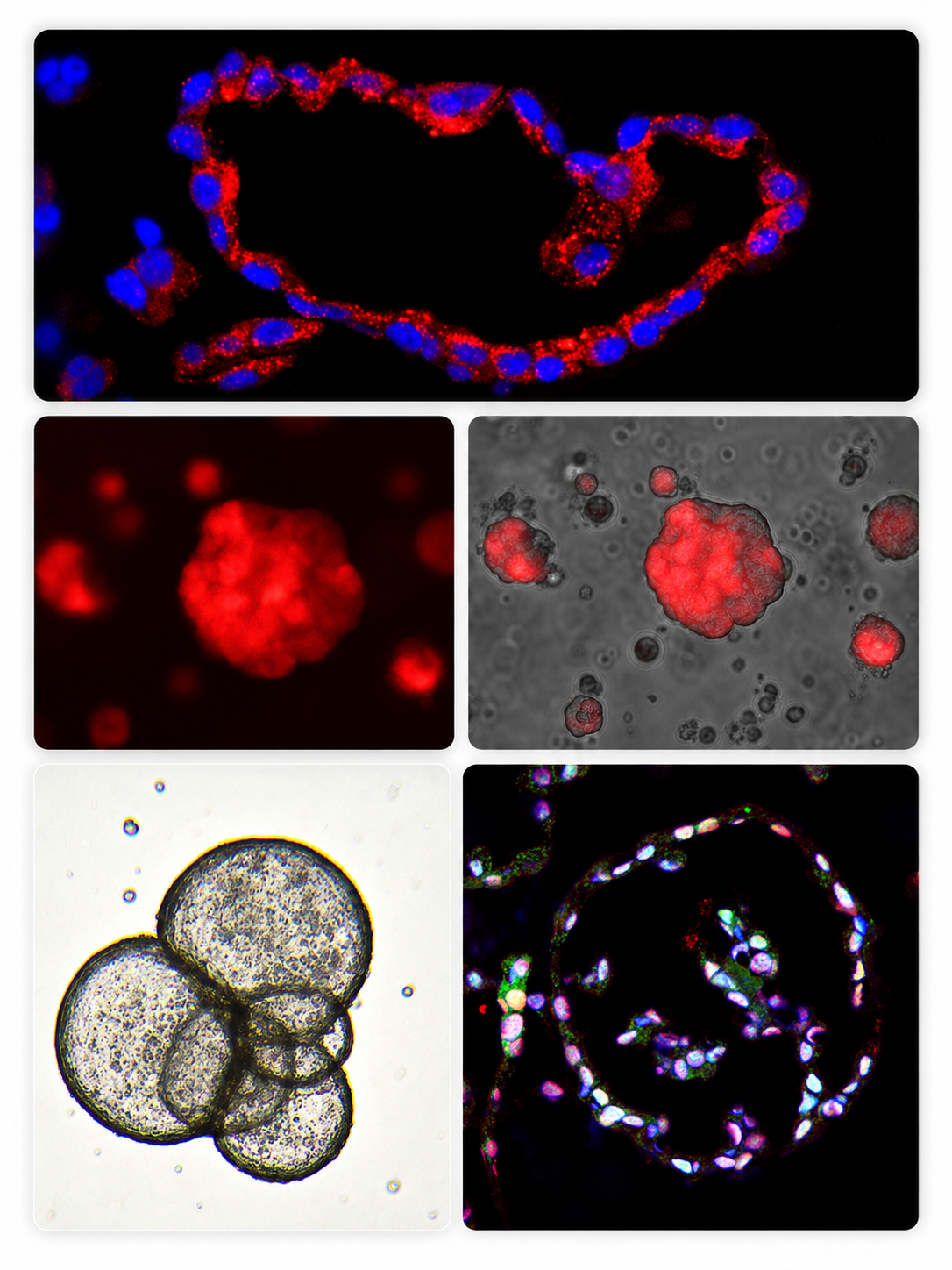
Decoding Cell Dynamics
Tissues across the human body are maintained under homeostatic conditions by multipotent stem cells residing in them. Perturbation of these adult stem cells often results in the accumulation of aberrant cell types, leading to disease.
Understanding the molecular mechanisms regulating these stem cells is crucial for developing therapeutic interventions that can help pathological tissues return to homeostatic conditions. Our primary goal is to characterize the states and fates of pulmonary and gastrointestinal cells.
Research Interests
Transcriptional Regulation of Adult Stem Cells
Transcription factors (TFs) play a major role in establishing cell identity. We are interested in characterizing the network of transcription factors that specify airway and intestinal epithelial lineages.
Cell Plasticity in Tumours
The plasticity of tumour cells allows them to adapt to new environments and evade the immune system. We aim to characterize the factors influencing tumour cell plasticity and work toward developing improved therapeutic interventions.
Stem Cell Niches
Tissue-resident stem cells are often supported by mesenchymal niche cells. We are interested in identifying the signalling pathways that support stem cells and understanding the impact of their loss in disease.
Tools and Techniques
Our research uses a range of experimental and computational approaches, including:
- Organoids
- Rodent and large animal models
- Single-cell-based profiling
- Bioinformatic modelling